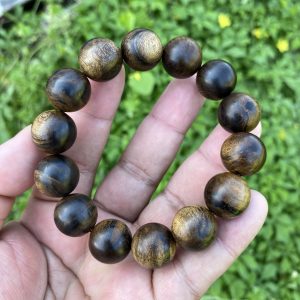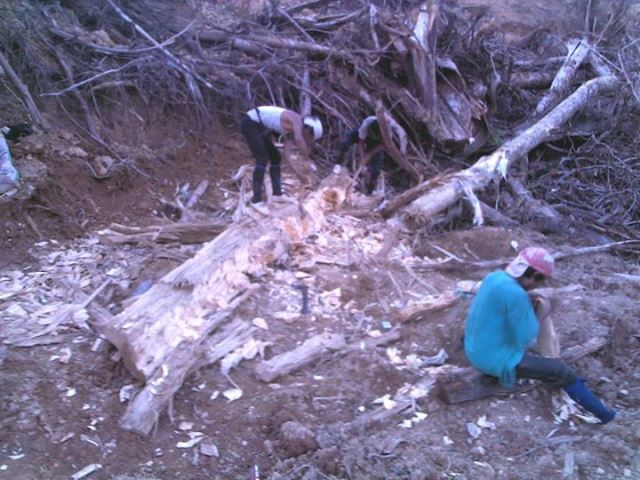
The agarwood you are holding in your hands today comes from the wild forests of Indonesia. It is not cultivated agarwood. This is one of the reasons why Indonesian wild agarwood is considered so valuable—sometimes even more precious than gold.
Why?
Because finding agarwood can come at the price of a person’s life.
Agarwood collectors may spend up to 60 days deep in the wilderness, searching for trees that contain this precious resin. Just reaching the forest can take two weeks on foot—climbing mountains, crossing rivers, and traveling through some of the most remote and difficult terrain.
And if someone falls sick in the middle of the jungle, you can imagine how difficult the situation can become.
When you finally reach the top of a hill and look ahead, what you see is an endless sea of trees stretching as far as the eye can see.
Somewhere within that vast wilderness may be the agarwood they have been searching for.
That is why, when wild Indonesian agarwood finally reaches your hands, you are not simply holding a piece of wood.
You are holding the result of a long journey, tremendous effort, and sometimes, a life-threatening struggle.
This is what makes wild Indonesian agarwood so extraordinary—and why, in some cases, its value can exceed that of gold.